Emerging Technologies in Colorectal Cancer Research:
Hands-on workshop on single-cell RNA-seq, mass spectrometry imaging and extracellular vesicles
Zagreb, 22-23 April 2026
REGISTRATION CLOSED
We are pleased to invite you to a two-day workshop dedicated to advanced research techniques in colorectal cancer (CRC). Taking place on April 22–23, 2026 in Zagreb, Croatia, the workshop combines expert lectures and hands-on practical sessions designed to discuss emerging technology and applied skills. Participation in the workshop is free of charge and will be available on site in Zagreb and online.
The first day will focus on key methodologies in CRC research, including clinical sample collection, single-cell RNA sequencing analysis, mass spectrometry imaging (MSI), and the study of extracellular vesicles (EVs).
Sessions will be delivered by leading experts and will include interactive discussions. We will share our experience gained within the project "Spatial omics for profiling of colorectal cancer heterogeneity, identification of biomarkers, microbiota characterization and translation into personalized therapy".
The second day (on-site only) will be dedicated to practical training and will demonstrate how research is conducted in practice.
Participation on the second day is limited (first come, first served basis) to ensure a high-quality, hands-on learning experience. It will be an opportunity to engage directly in single-cell analysis, MSI techniques, and vesicle sample analysis and data processing, under expert guidance.
This workshop is intended for researchers and professionals interested in expanding their expertise and sharing knowledge in advanced CRC research methods and it is supported by Waters and Labtim, 10x genomics and Labena, Altium and Unchained Labs.
This event is funded by the European Union – Next Generation EU, National Recovery and Resilience Plan 2021. – 2026. (project NPOO.C3.2.R3-I1.04.0266: “Spatial omics for profiling of colorectal cancer heterogeneity, identification of biomarkers, microbiota characterization and translation into personalized therapy”).
Agenda
Day 1 - April 22
Event Opening
Project Overview: Spatial Omics for Profiling Colorectal Cancer Heterogeneity
Clinical Sample Processing
Coffee Break
Section 1: Single Cell RNA Sequencing
scRNAseq: High-Resolution Insights into Tumor Heterogeneity
Single Cell RNA Sequencing of CRC
From Tissue to Molecules: Integrating Spatial Profiling into Multi-Omics Cancer Research
Spatial Biology with STOmics
Panel Discussion
Lunch Break
Section 2: MSI
Current and Future Perspectives of DESI and MALDI Mass Spectrometry Imaging
CRC Sample Preparation and Histological Analysis
MSI Analysis of CRC
Panel Discussion
Coffee Break
Section 3: Extracellular Vesicle
Extracellular Vesicles: No Longer a Myth, but Are They Always Real?
Extracellular Vesicle Analysis
Comprehensive Characterization of Extracellular Vesicles Using Leprechaun
Panel Discussion
Day 2 - April 23
Section 1: Single Cell RNA Sequencing
Sample Preparation
Data Processing
Coffee Break
Section 2: MSI
MSI Analysis
Lunch Break
Data Processing
Coffee Break
Section 3: EVs Analysis
Sample Preparation and EV Analysis
Data Processing
Meet Our Speakers
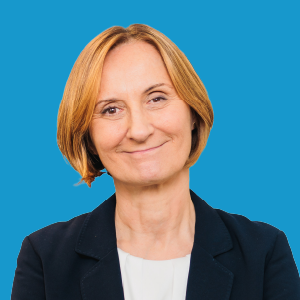
Vesna Eraković Haber
Vesna Eraković Haber, MD, PhD, is Vice President of Pharmacology and Translational Research at Selvita, where she leads integrated in vitro and in vivo pharmacology, toxicology, translational research, and omics-supported discovery activities supporting drug discovery and early development. She oversees multidisciplinary teams responsible for preclinical pharmacology and translational strategy across multiple therapeutic areas.

Petra Grbčić
Petra Grbčić is a postdoctoral researcher at Department of Microbiology and parasitology, Faculty of Medicine, University of Rijeka. She holds a PhD in Medicinal Chemistry and is a molecular biology scientist experienced in cancer research (emphasis on colorectal cancer) and analyses of cancer cells behavior in response to different treatment options. Her expertise encompasses the development and optimization of experimental protocols involving human cell lines and bacterial cultures, as well as the processing and analysis of clinical specimens.

Koen De Gelas
Koen De Gelas is working as a Scientific Technical Advisor for 10x Genomics covering single cell and spatial applications. He is interested in facilitating the use of novel “omics” technologies to accelerate scientific discoveries and to advance human health. Koen received his MSC in Biology and a PhD in molecular genetics from KULeuven, Belgium.
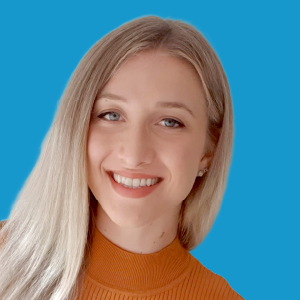
Marta Žužić
Marta Žužić is a Senior Scientist I at Selvita in the In vitro pharmacology department. She holds a PhD in Neuroscience and has 9 years of experience across international academic research and industry, specializing in cell based research. Her academic research focused on the early development of cell therapies for neurodegenerative diseases, including stem cell differentiation into retinal neurons using genome engineering approaches.

Uršula Prosenc Zmrzljak
Uršula Prosenc Zmrzljak, PhD is a molecular biologist and Head of the Molecular Biology Laboratory at BIA Separations CRO (Labena Group). She holds a PhD in Biochemistry and Molecular Biology from the University of Ljubljana and has over 17 years of experience in academia and industry. Her expertise spans molecular diagnostics, qPCR and digital PCR technologies, epigenetics and advanced single-cell and spatial biology approaches.

Vlatka Gaća
Vlatka holds a degree in Biology and Chemistry Education and an MSc in Biochemistry from the University of Zagreb, Faculty of Science. She began her career as a researcher in Biogenerics R&D at Pliva, gaining experience in applied biomedical research. For the past nine years, she has been with Altium International, where she transitioned into the commercial and application side of genomics and life sciences. Starting as a Sales and Application Specialist, she now serves as Team Lead for Sales and Applications within the CDLS group, focusing on advanced genomics solutions.

Emmanuelle Claude
Emmanuelle Claude is a Consulting scientist at Waters. She joined the company in October 2000 as an Application Chemist in the Proteomics and Genomics Marketing group, developing automated Peptide Mass Fingerprint (PMF) MS methods using a MALDI-TOF mass spectrometer.
Over the years she developed several methods in the proteomics analytical space using MALDI TOF and started the development of MSI at Waters nearly 20 years ago.

Vuk Milutinović
Vuk Milutinović is a Senior Scientist and Pathologist at Selvita with extensive expertise in drug discovery and clinical diagnostics. He currently serves in the Department of In-Vivo Toxicology and Pharmacology, where his work is central to translational pathology strategies across oncology, fibrosis, and inflammation programs. He specializes in creating, developing, and validating new biomarker assays, like Immunohistochemistry (IHC) and multiplex Immunofluorescence (IF), specifically for patient selection and target engagement.
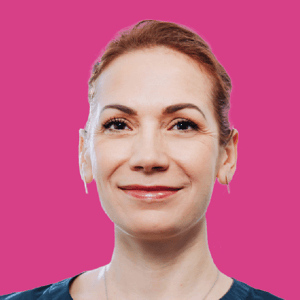
Ana Butorac
Ana Butorac is a Lead Scientist and Team Leader of Omics Platform at Selvita. She holds a PhD in Biotechnology and is an analytical scientist with 15 years of experience in applying MS to the life sciences. Her expertise includes method development, biomolecule characterization, and advanced proteomics research with an emphasis on integrating MS-based techniques to support both fundamental and applied projects in biotechnology and pharmaceuticals. To date she participated in 6 scientific research projects, and a co-authored 25 scientific articles indexed in the Web of Science.
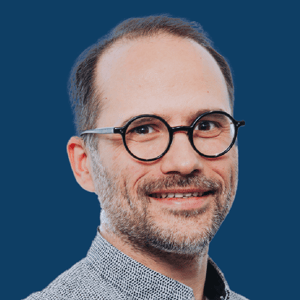
Mislav Novokmet
Mislav Novokmet is a Lead Scientist within the Omics Platform at Selvita. He holds a PhD in Molecular Biosciences and is an analytical scientist with 18 years of experience in academia, pharma, and biotech, specializing in MS-based analytics. His expertise includes glycomics and glycoproteomics, advanced LC-MS workflows for biomolecule characterization, and high-throughput analytical approaches. Over the course of his career, he has led R&D teams, managed scientific and commercial projects, and contributed to several European Framework initiatives).
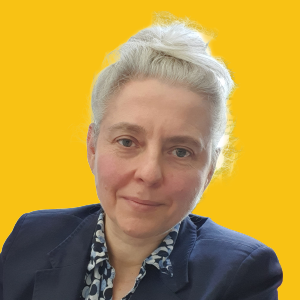
Kristina Grabušić
Kristina Grabušić is a Full Professor at the Department of Physiology, Immunology and Pathophysiology at the Faculty of Medicine in Rijeka. After conducting research in molecular virology at the Helmholtz Zentrum in Munich and earning her PhD in Biology in 2004 from the Ludwig-Maximilians-Universität in Munich, Germany, she continued her career at the University of Rijeka. The main subjects of her study are extracellular vesicles (EVs) and their potential as a source of biomarkers in liquid biopsy.

Marija Podolski
Marija is a Senior Scientist at Selvita with a PhD in Molecular Biology and over 15 years of research experience spanning academia and industry. She completed postdoctoral research at UC Berkeley focused on cancer immunotherapy, engineering molecules to enhance macrophage-mediated phagocytosis of cancer cells. Currently working in translational oncology at Selvita, Marija has established extracellular vesicle-based assays for oncology biomarker discovery, and contributed to scientific writing, grant applications, and cross-functional collaboration.

Iva Kušec
Iva Kušec holds a Master’s degree in Chemistry (Biochemistry and Analytical Chemistry track) from the Faculty of Science, University of Zagreb.
She was awarded a Pliva scholarship and subsequently worked for three years at Pliva in the Quality Control Laboratory. She later joined Altium International as an Application and Sales Specialist in the Life Sciences department, where she provides technical support to laboratory users, assists with laboratory analyses, and supports the implementation of new technologies and analytical solutions.

Sanja Musladin
Sanja Musladin is a Research Fellow and Group Leader at Selvita's In vitro pharmacology department. She holds a PhD in Biochemistry and has 18 years of experience in academia and pharmaceutical research. During her work at academia, she investigated mechanisms of transcriptional regulation through promoter chromatin remodeling. Since joining Selvita in 2015, her work has focused on immune inflammation, with emphasis on GI inflammation and IBD. She has been responsible for introducing single-cell RNA-seq technology at the company.
Workshop Partners







Malcolm Clench
Scientific Consulant
Malcolm R. Clench is a mass spectrometrist with over 40 years of experience in analytical chemistry and academic research. He earned his PhD in 1988 for his work on applying Fast Atom Bombardment mass spectrometry to protein and peptide structure elucidation.
After positions in the scientific instrument industry at Kratos Analytical, VG Tritech, and VG Biotech, he joined Sheffield Hallam University (formerly Sheffield City Polytechnic) in 1990, where he taught and led research in applied mass spectrometry. Over three decades, he served as Head of Research at the Biomolecular Sciences Research Centre and supervised 34 PhD students.
A pioneer in mass spectrometry imaging (MSI), he has authored over 130 peer-reviewed papers, including 75 focused on MSI. He has also served as Vice President of the Mass Spectrometry Imaging Society, Chair of the Imaging and MALDI Special Interest Group of the British Mass Spectrometry Society, and Associate Editor for Proteomics and Nature Scientific Reports.
Since retiring in 2023, he has continued his work in the field as founder of Imagtech Ltd and Consultant at Selvita. He currently serves as Chair of the Trustees of the International Mass Spectrometry Imaging Society (IMSIS).
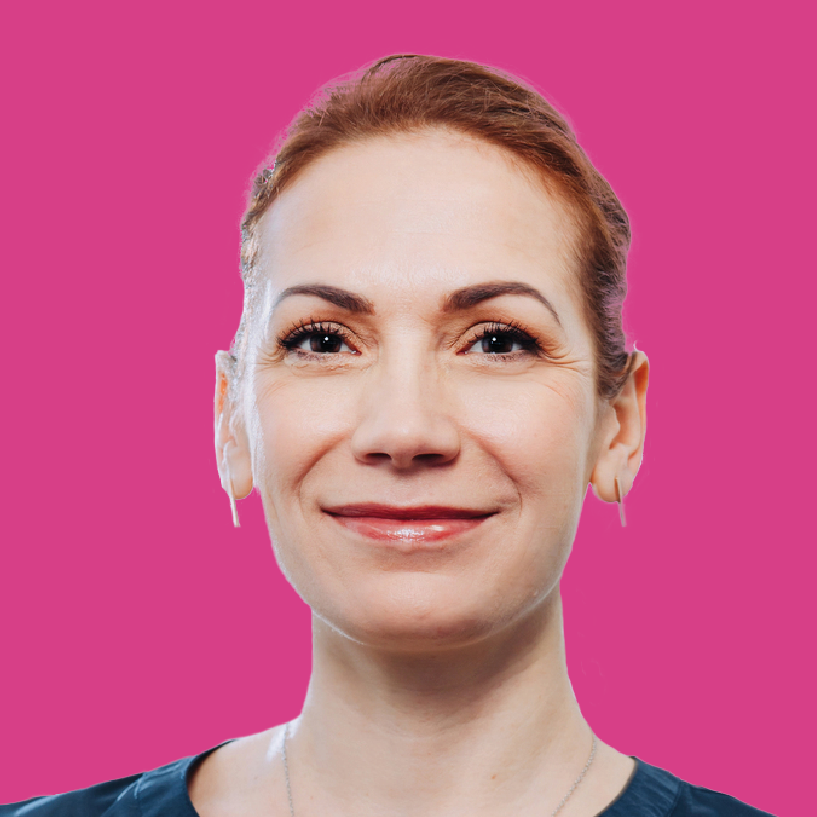
Ana Butorac
Lead Scientist at Selvita
Ana Butorac is a Lead Scientist and Team Leader of Omics Platform at Selvita. She holds a PhD in Biotechnology and is an analytical scientist with 15 years of experience in applying mass spectrometry to the life sciences.
Her expertise includes method development, biomolecule characterization, and advanced proteomics research with a strong emphasis on integrating mass spectrometry-based techniques to support both fundamental research and applied projects in biotechnology and pharmaceuticals. To date, she has mentored numerous graduate students, participated in 6 scientific research projects, and a co-authored 25 scientific articles indexed in the Web of Science.
Since joining Selvita in 2024, her work has focused on Mass Spectrometry Imaging (MSI) based techniques, Matrix-Assisted Laser Desorption/Ionisation (MALDI-MSI) and Desorption Electrospray Ionisation Mass Spectrometry Imaging (DESI-MSI). Her research in this area contributes to the understanding of drug distribution, metabolism, and molecular interactions, supporting innovation in pharmaceutical research and drug discovery.
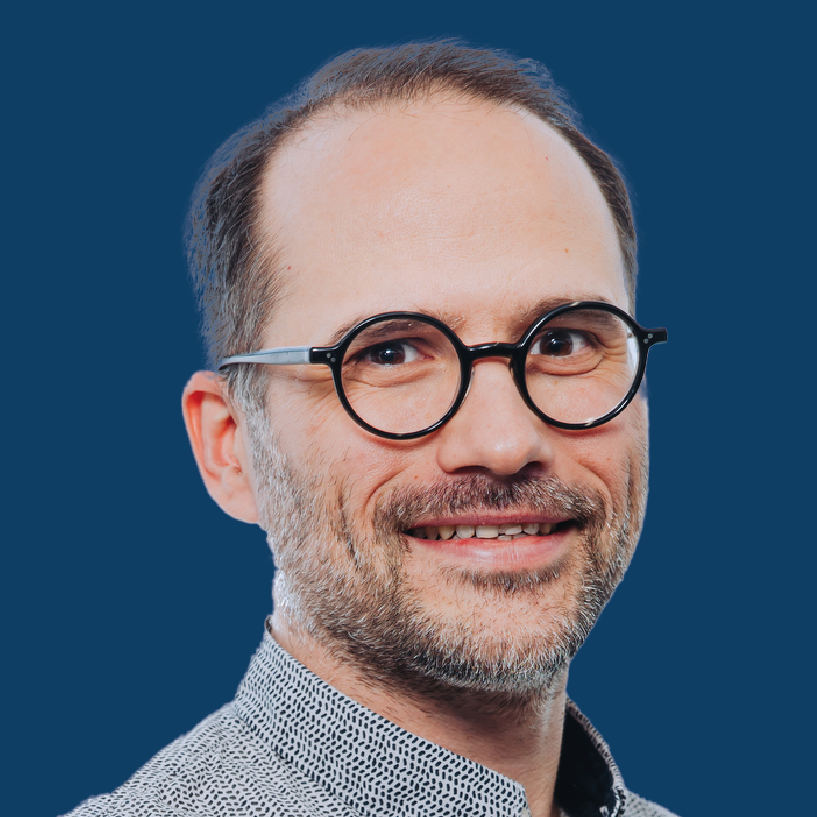
Mislav Novokmet
Lead Scientist at Selvita
Mislav Novokmet is a Lead Scientist within the Omics Platform at Selvita. He holds a PhD in Molecular Biosciences and is an analytical scientist with 18 years of experience in academia, pharma, and biotech, specializing in mass spectrometry-based analytics.
His expertise includes glycomics and glycoproteomics, advanced LC-MS workflows for biomolecule characterization, and high-throughput analytical approaches. Over the course of his career, he has led R&D teams, managed scientific and commercial projects, and contributed to several European Framework initiatives (FP7, Horizon 2020).
For the past decade, his research has focused on exploring the role of protein glycosylation in metabolic and inflammatory diseases. Since joining Selvita in 2024, he has been instrumental in developing and implementing Mass Spectrometry Imaging (MSI) workflows, including Matrix-Assisted Laser Desorption/Ionisation (MALDI-MSI) and Desorption Electrospray Ionisation (DESI-MSI). His work provides deep insights into the spatial distribution and biological relevance of molecules in complex biological systems, driving innovation in drug discovery.
This research was supported by Croatian National Recovery and Resilience Plan 2021-2026 (project NPOO.C3.2.R3-I1.04.0266: Spatial omics for profiling of colorectal cancer heterogeneity, identification of biomarkers, microbiota characterization and translation into personalized therapy).